Industrial Sweeping
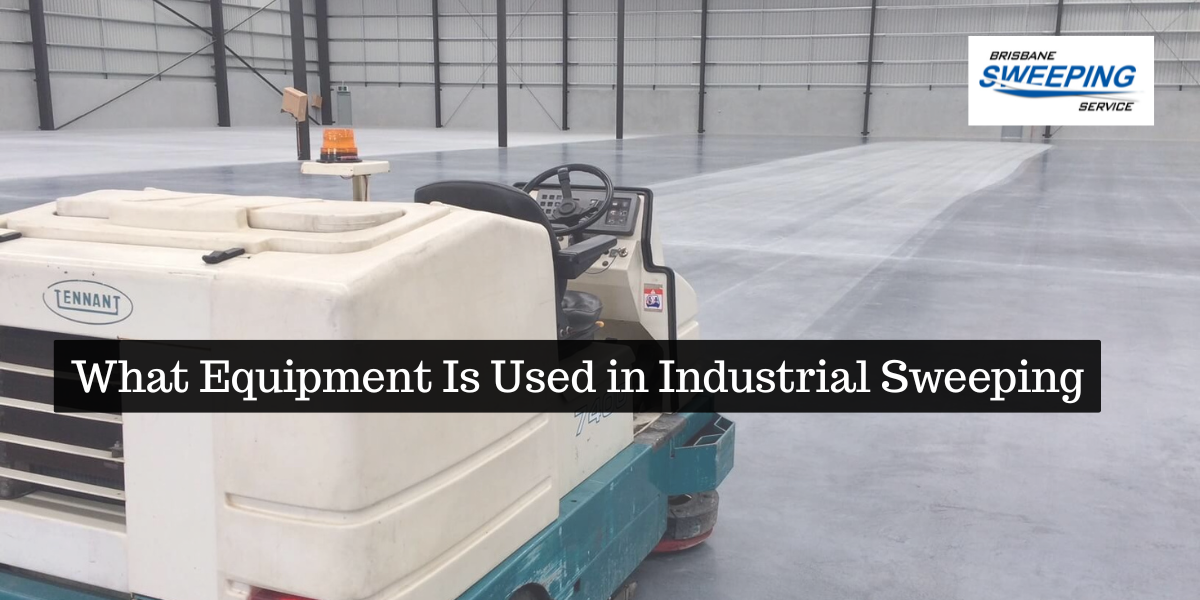
Industrial sweeping relies on three main types of machines: ride-on sweepers, walk-behind units, and compact models. Each one of them handles different floor sizes and cleaning needs across Brisbane warehouses, factories, and commercial spaces.
That’s why picking the wrong sweeper for your facility wastes time and money. For example, a massive ride-on machine doesn’t make sense in a tight workshop. Likewise, a small walk-behind unit will take forever in a 20,000 square metre warehouse.
This guide breaks down what equipment actually does the job and which features count most. We’ll also cover the choice between buying machines and hiring Brisbane Sweeping professionals. So, you’ll know exactly what sweeping setup fits your floors by the end.
Let’s dig in.
Types of Industrial Sweeping Machines Used Today
We’ve already mentioned that most Brisbane warehouses and factories use one of three sweeper categories depending on floor size.
Now, you might be wondering which type suits your facility, so let’s break down each option.
Ride-On Sweepers for Large Warehouses
These industrial floor sweepers are built for facilities over 10,000 square metres. Inside it, the operator can sit while cleaning. As a result, they can work longer shifts without getting exhausted (important when you’ve got massive distribution centres or manufacturing plants to clean).
Meanwhile, ride-on models cover around 5,000 to 8,000 square metres per hour. That’s roughly the size of a full football field every hour. In comparison, a walk-behind unit would take three times as long on the same space, and your staff would be absolutely worn out.
Worried about cost? Well, the cost per square metre drops significantly once you’re dealing with large areas.
Verdict: Although a ride-on sweeper might seem expensive upfront, it pays for itself quickly in big warehouses and retail spaces where “time equals money.”
Walk-Behind Floor Sweepers
Walk-behind cleaning machines work well in medium-sized spaces like workshops, smaller warehouses, and loading docks. It’s because they’re easier to control around shelving, equipment, and narrow aisles where a ride-on sweeper would struggle to fit.
Generally, floor cleaning takes a bit more effort since someone walks behind the machine. Even so, most models can cover 2,000 to 3,000 square metres per hour. That level of coverage works well for facilities under 10,000 square metres.
Now, if you compare costs, walk-behind units are cheaper than ride-on models. That means you’ll spend less on the machine itself, and maintenance is simpler too. Especially for businesses with moderate square footage, this range of machinery makes more sense than spending on a ride-on.
Compact Sweepers for Tight Spaces
Compact sweepers handle congested areas like storerooms, between machinery, and crowded factory floors. These little units can squeeze into spaces where larger industrial sweepers simply won’t go.
With this model, debris collection also works surprisingly well despite the smaller size. We know its hopper holds less waste, but you’re not covering huge areas anyway. Besides, its most compact models still grab dust, dirt, and small bits without leaving a mess behind.
Beyond industrial floor cleaning, this model has a big advantage when you’ve got a facility with lots of equipment, tight corners, or uneven layouts. They’re also handy as a second sweeper for spot cleaning while your main machine handles the open floor areas.
Commercial Floor Cleaning Machines: What’s the Difference?
Basically, commercial machines like sweepers handle dry debris while traditional scrubbers tackle sticky spills and stains with water. So what’s the real deal here?
Well, let’s have a look at how commercial floor cleaning machines stand against each other:
| Sweepers | Scrubbers |
|---|---|
| Collect dry debris (dust, dirt, cardboard) | Clean wet spills and stains |
| Use rotating brushes | Use water + cleaning solution |
| Dump debris into the hopper | Vacuum up dirty water |
| Daily or weekly cleaning | Monthly or quarterly deep cleaning |
Bottom line: Sweepers handle everyday mess, scrubbers tackle the sticky stuff.
However, most factories and warehouses need both types of cleaning at different times (manufacturing floors deal with both, so it has more significance than you’d think). For instance, dry sweeping happens regularly to clear debris. On the flip side, scrubbing happens less often when floors need actual washing from oil or sticky residue.
And that’s where things get interesting. Because some machines even combine sweeping and scrubbing functions in one pass. Besides, it’s a super handy feature if you don’t want two separate commercial floor cleaning machines taking up space.
Key Features That Make Industrial Floor Sweepers
The best part about modern sweepers is that they capture dust instead of just pushing it around.
Gradually, industrial sweeping equipment has come a long way from the basic “brush-and-bin” setup. Today’s machines are designed with features to make your cleaning faster, safer, and more thorough across commercial and industrial floors.
Generally, three features separate quality sweepers from basic models: dust control, hopper capacity, and power options. Here’s what each one does for your facility:
Dust Control Systems
Let’s be honest here, nobody wants dust clouds floating around their warehouse. That’s why good industrial sweeping machines use filtration technology to trap dust particles instead of launching them back into the air.
The health benefits are also real here. With a dust control system, your staff aren’t breathing in fine particles all day, which keeps everyone safe and meets workplace air quality regulations. This is significant if you’re handling concrete dust, metal shavings, or silica (those materials can cause serious lung problems over time).
To put it simply, quality dust control also means cleaner floors. When dust stays captured in the filter instead of resettling, you don’t have to move dirt from one spot to another.
Hopper Capacity and Debris Collection
Another important feature of an industrial floor sweeper is hopper capacity.
Generally, hopper size ranges from 50 litres in compact sweepers to 200+ litres in large industrial models. The bigger hopper size means you’ll need to stop less times to make it empty (and yes, emptying a full hopper in summer heat is exactly as fun as it sounds).
Sometimes, different debris affects how quickly the hopper fills. For example, light dust takes forever to fill it up. On the flip side, heavy materials like gravel or metal scraps fill it fast. That’s why knowing what you’re cleaning lets you pick the right capacity for your facility.
Quick tip: Before buying, make sure the hoppers have a straightforward emptying feature. Because if you have this feature, you can dump easily at waist height. Plus, your team isn’t wrestling with awkward mechanisms or heavy lifting every day.
Battery vs Fuel-Powered Options
Battery-powered machines run quieter and produce zero fumes, making them perfect for indoor warehouses. They typically provide 3 to 5 hours of runtime per charge. Our work across different sites has shown that battery models work brilliantly for facilities with regular cleaning schedules.
Contrarily, fuel-powered sweepers (usually diesel or petrol) offer longer runtime and more power for outdoor areas or heavy-duty industrial work.
The trade-off here? Well, you need proper ventilation, and they’re louder. Plus, there are the ongoing fuel costs and more frequent maintenance.
But between them, if you choose a battery-powered sweeper, charging infrastructure becomes part of the setup. You’ll need dedicated charging stations and, in some cases, spare batteries to keep machines running across multiple shifts. On top of that, you have to plan for battery replacement every few years, since capacity drops over time with regular use.
Choosing Sweeping Services vs Buying Your Own Cleaning Machines
Now that you know what equipment does the job, here’s how to decide between buying and hiring:
| Buying Cleaning Machines | Hiring Sweeping Services |
|---|---|
| Upfront purchase cost (thousands to tens of thousands) | No equipment investment needed |
| Your team handles maintenance and repairs | Service includes all maintenance |
| Staff training is required before the operation | Trained professionals handle everything |
| Storage space needed for machines | No storage hassles |
| Downtime risk when machines break | Reliable backup equipment available |
| You manage cleaning schedules | Regular service on a set schedule |
Suggestion: Based on our experience with Brisbane facilities, most businesses plan to save money with commercial sweeping services. That’s because large warehouses need daily cleaning, so it is justified to buy industrial sweeping equipment for them. But smaller operations find hiring more practical.
To be more specific, one contact gets you consistent industrial sweeping services across your business in Brisbane and throughout Australia. You have no maintenance headaches, no trained staff requirements, just reliable commercial cleaning support when you need it.
Time to Clean Up Your Act
Now you know which sweeping machines suit different industrial and commercial spaces. Ride-on sweepers handle large warehouses, walk-behind units fit medium facilities, and compact models squeeze into tight spots.
Choosing between buying equipment and hiring sweeping services depends on your cleaning frequency and budget. Most Brisbane businesses find professional services deliver better value without the maintenance hassles.
Need reliable floor cleaning for your warehouse or factory? Brisbane Sweeping offers industrial sweeping services across warehouses, factories, shopping centres, and commercial sites throughout Brisbane. We also provide quality equipment and trained staff to tackle any cleaning job.
Get in touch to keep your floors clean, with line marking services ready when you need them.
About the Author