Sinkom in 2026: Framework, Platform, or Concept?
sinkom
Introduction
If you have searched for “Sinkom,” you have likely noticed something confusing. Different websites describe it as a system, a technology platform, a coordination model, a smart city solution, or even a blockchain-powered tool. So what is the truth?
Sinkom does not have one globally standardized definition. It is not officially recognized as a formal international protocol or certified technology framework. Instead, it is a contextual term used across industries to describe structured coordination, synchronization, modular systems, and streamlined communication.
In simple terms, Sinkom represents a way of aligning systems, teams, or processes so they work together efficiently and predictably. Its meaning depends on how and where it is applied. This article explains clearly what Sinkom represents, how it works in different environments, and what you should realistically expect from it.
What Is Sinkom? A Practical Definition
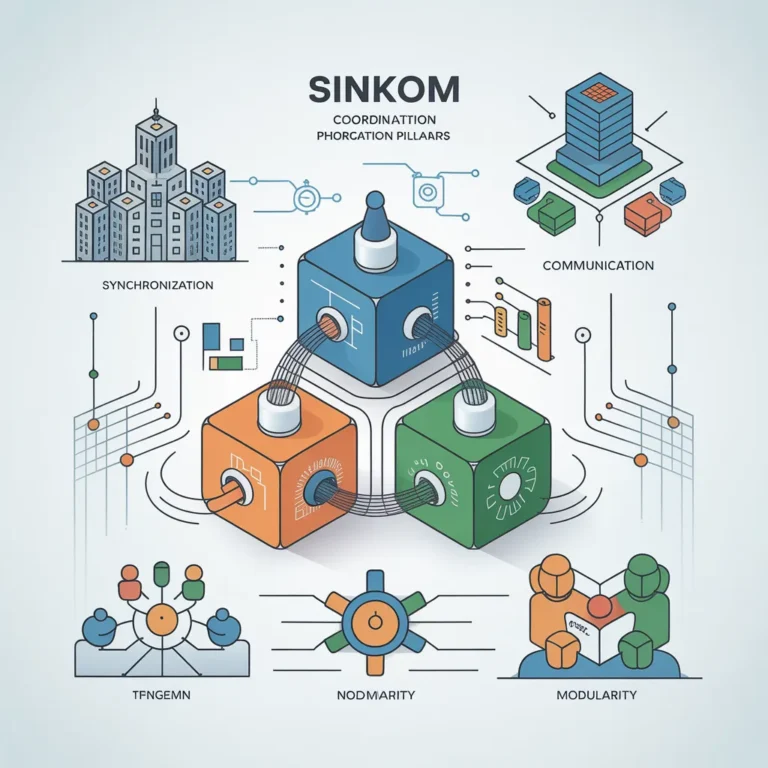
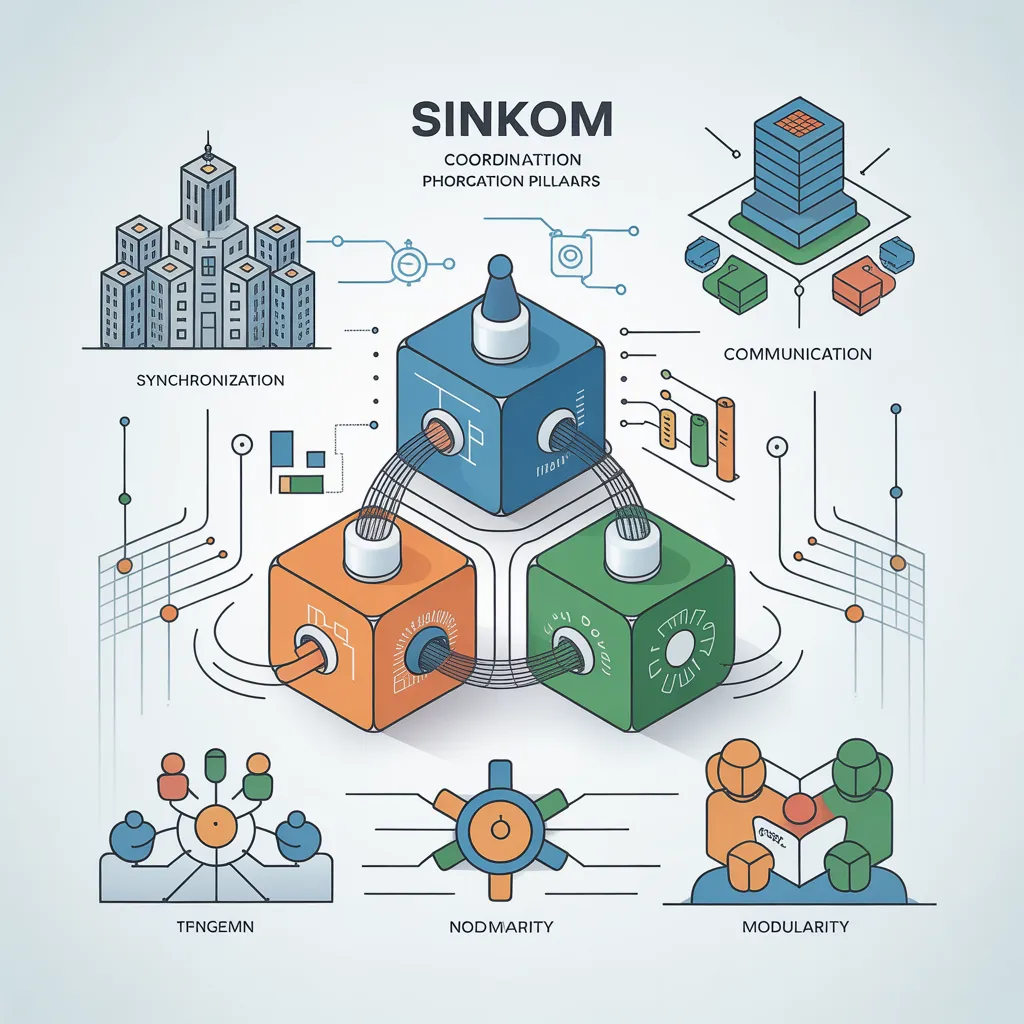
At its core, Sinkom can be understood as a structured alignment model built around three essential ideas:
-
Synchronization (Sync): Coordinating actions so they happen in harmony
-
Communication (Comm): Ensuring clear, continuous information flow
-
Modularity (Mod): Designing independent components that connect flexibly
Rather than being a single product, Sinkom functions as a coordination philosophy or system architecture approach. In some cases, organizations may brand their software or service as “Sinkom,” but the broader concept revolves around integration and alignment.
In real-world use, Sinkom often describes efforts to:
-
Reduce silos between departments
-
Improve data consistency across platforms
-
Standardize workflows
-
Enable real-time updates between systems
-
Increase transparency and accountability
It works best when strengthening existing systems, not replacing them entirely.
Why People Search for Sinkom
Understanding user intent is important. Most people searching for Sinkom are not looking for hype or exaggerated claims. They want clarity on:
-
Is it a software product?
-
Is it a systems-thinking model?
-
Does it use blockchain or AI?
-
Can it solve operational inefficiencies?
-
Is it relevant for business, technology, or urban planning?
The confusion exists because Sinkom is used across multiple contexts. In some industries, it refers to smart integration platforms. In others, it describes coordination principles applied to workflows or infrastructure.
The key is this: Sinkom is less about a specific tool and more about structured synchronization between components.
The Core Principles Behind Sinkom
1. Synchronization
Synchronization ensures that actions occur in alignment. In business environments, this might mean departments updating shared dashboards simultaneously. In technical systems, it may involve real-time database consistency.
Without synchronization, delays and duplicated efforts increase.
2. Continuous Communication
Clear communication prevents misunderstandings. Sinkom-based approaches emphasize standardized signals, status indicators, dashboards, or shared notifications.
The objective is simple: everyone knows what is happening, when it is happening, and who is responsible.
3. Modularity
Modular systems break large structures into independent units. These units can operate alone but connect seamlessly with others.
This idea mirrors principles promoted by organizations such as the National Institute of Standards and Technology, which emphasizes structured system integrity and governance frameworks for reliable data flow.
When modules are well-designed, organizations gain flexibility and scalability.
Sinkom as a Technology Platform
In some contexts, Sinkom is presented as a digital platform integrating tools into a single interface. These versions typically include:
-
Unified dashboards
-
Task management systems
-
Real-time collaboration tools
-
API-based integrations
-
Cloud-based architecture
Some interpretations also suggest decentralized features, sometimes referencing blockchain-based transaction validation or smart contracts. While not universally defined, these implementations aim to improve trust, transparency, and automation.
If blockchain elements are involved, the focus usually includes:
-
Secure transaction verification
-
Distributed nodes
-
Immutable records
-
Smart contract automation
However, not all Sinkom implementations use blockchain. Many rely on cloud-native integration and API connectivity instead.
Real-World Applications of Sinkom
Business Operations
In operational management, Sinkom principles help align sales, logistics, and customer service teams. When data flows consistently between departments:
-
Errors decrease
-
Delays reduce
-
Customer satisfaction improves
-
Accountability becomes clearer
Organizations often implement structured dashboards to ensure synchronized updates across workflows.
Information Technology Systems
In IT environments, Sinkom aligns databases, services, and applications. It supports:
-
Data synchronization
-
Reduced latency
-
Improved system reliability
-
Consistent API communication
Modular microservices architecture reflects this philosophy well. Independent services communicate through structured protocols without disrupting the entire ecosystem.
Smart Cities and Urban Mobility
Some discussions describe Sinkom as a solution for urban parking and mobility management. In these cases, it focuses on:
-
Real-time parking availability
-
Sensor-based monitoring
-
App-based reservations
-
Traffic optimization
Cities like Amsterdam and Singapore are often cited in discussions about smart mobility models that reflect similar coordination principles.
While not officially labeled under a universal Sinkom standard, these implementations demonstrate synchronization, communication, and modular urban planning in action.
Healthcare Systems
Healthcare environments benefit from synchronized data sharing. Sinkom-based coordination can:
-
Reduce patient wait times
-
Improve medical record consistency
-
Enable real-time updates between providers
-
Enhance decision-making accuracy
When patient systems are aligned, care delivery becomes more efficient and transparent.
Supply Chain and Logistics
Supply chain disruptions are common in modern markets. Sinkom coordination frameworks help by:
-
Tracking inventory in real time
-
Synchronizing shipment data
-
Reducing duplication
-
Improving forecasting
When modules such as inventory, procurement, and distribution communicate seamlessly, resilience improves.
Key Benefits of Sinkom
Improved Efficiency
Automating coordination reduces manual errors and repetitive tasks. Teams can focus on strategic objectives instead of fixing communication gaps.
Scalability
Modular systems allow organizations to expand by adding components rather than rebuilding entire infrastructures.
Transparency
Clear synchronization makes responsibilities traceable. Problems can be identified at the process level instead of through blame-based assumptions.
Adaptability
When one module changes, the rest of the system remains functional. This flexibility supports innovation and experimentation.
Real-Time Processing
Modern Sinkom-style implementations emphasize minimal latency and instant updates, crucial for fast decision-making environments.
Common Challenges and Limitations
No system is perfect. Sinkom approaches also present challenges.
Lack of Formal Standardization
Because Sinkom lacks a universally recognized definition, misunderstandings can occur. Teams must clearly define what the term means within their context.
Overestimated Capabilities
Coordination frameworks cannot fix:
-
Weak leadership
-
Poor strategy
-
Inadequate training
-
Faulty infrastructure
Alignment enhances performance but does not replace competence.
Implementation Complexity
Designing modular systems requires planning, documentation, and consistent feedback. Without governance, modular systems can become chaotic.
Security Risks
When multiple modules connect, access points increase. Organizations must maintain strict data protection and permission controls.
How to Implement Sinkom Effectively
Step 1: Define the Scope
Clarify what Sinkom means in your environment. Is it about system integration, team communication, or infrastructure coordination?
Step 2: Identify Breakdown Points
Look for repeated bottlenecks, delayed approvals, duplicate data entry, or unclear ownership.
Step 3: Break Processes into Modules
Separate workflows into independent but connected units. Each module should have:
-
Clear responsibilities
-
Defined interfaces
-
Measurable outputs
Step 4: Enable Synchronization
Use shared dashboards, triggers, APIs, or automated updates to keep modules aligned.
Step 5: Monitor and Refine
Track performance metrics. Start with a pilot project before expanding organization-wide.
Misconceptions About Sinkom
“It Is Only for Technology Teams”
False. Sinkom applies equally to manual workflows, education systems, administrative processes, and collaborative projects.
“It Requires Expensive Software”
Not necessarily. Clear documentation and standardized communication can deliver strong results even without complex tools.
“It Automatically Boosts Performance”
Alignment supports performance, but strategy and execution still matter.
Ethical and Strategic Considerations
As integration increases, ethical questions arise:
-
How is data protected?
-
Who controls decentralized systems?
-
Does automation replace human judgment?
Organizations must balance innovation with accountability, privacy, and transparency.
The Future of Sinkom in 2025 and Beyond
As artificial intelligence and automation expand, synchronization becomes even more critical. Systems must communicate instantly and reliably.
Future Sinkom-style systems will likely feature:
-
AI-driven predictive coordination
-
Real-time analytics dashboards
-
Smart contracts for automated agreements
-
Adaptive modular workflows
-
IoT-connected environments
The principle remains constant: clear structure outperforms uncontrolled complexity.
Frequently Asked Questions
Is Sinkom a certified global standard?
No. It is not governed by an official international authority.
Is Sinkom a software product?
It can be, but it is more commonly a coordination framework or systems-thinking model.
Can small businesses use it?
Yes. Smaller teams often benefit quickly because alignment is easier to implement.
Does Sinkom replace existing systems?
No. It strengthens them by improving synchronization and communication.
Why is there confusion about its meaning?
Because it is used contextually across different industries without a single official definition.
Conclusion
Sinkom represents structured coordination in a world increasingly defined by complexity. Whether applied to business operations, smart cities, healthcare systems, or digital platforms, its power lies in synchronization, communication, and modular design.
It is not a magic solution. It does not automatically fix structural weaknesses. But when implemented thoughtfully, it reduces friction, enhances transparency, and supports scalability.
About the Author