IngeBIM
In recent years, the construction and engineering sectors have undergone a significant digital shift, with methodologies like Building Information Modeling (BIM) leading the charge. At the forefront of this evolution is IngeBIM, a term that combines “Inge” (short for ingeniería, meaning engineering in Spanish) with BIM. It represents a specialized approach that integrates advanced engineering principles with digital modeling techniques to create more efficient, coordinated, and sustainable projects.
Primarily associated with companies in Spanish-speaking regions like Chile and Spain, IngeBIM embodies a practical framework for applying BIM in real-world engineering scenarios. Firms such as IngeBIM Spa (based in Chile) and others like IngeBIM-3D specialize in delivering BIM-driven solutions that optimize everything from infrastructure development to building installations. This method goes beyond basic 3D modeling, incorporating data-rich environments that support the entire project lifecycle from initial planning to long-term maintenance.
Advantages of IngeBIM in Modern Projects
IngeBIM stands out for its ability to address common pain points in traditional construction workflows. Here are the core benefits driving its adoption:
Enhanced Team Coordination:
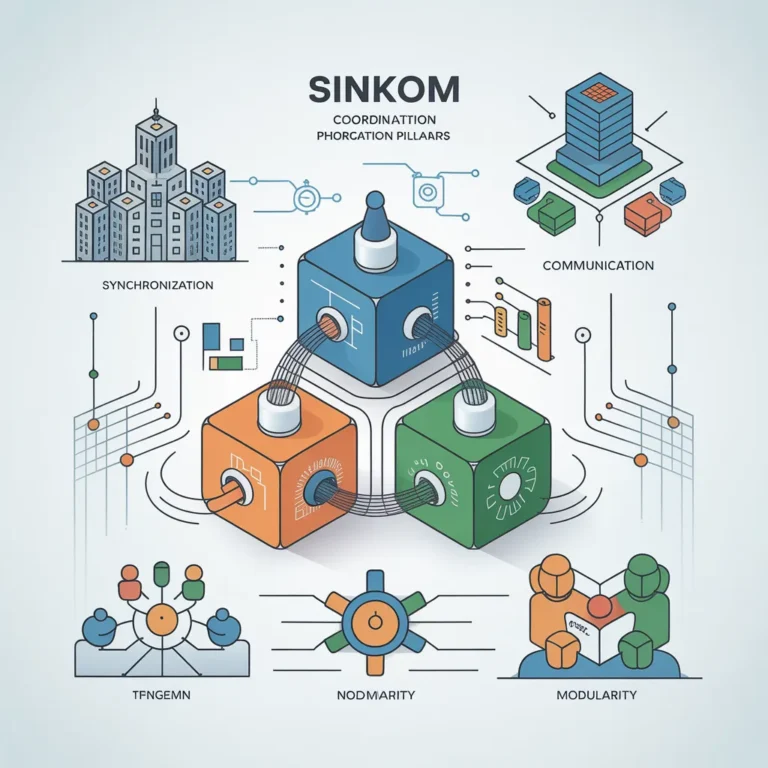
By using shared digital models, multidisciplinary teams (including civil, structural, mechanical, and electrical engineers) can collaborate in real-time, detecting potential conflicts early and reducing costly rework.
Data-Driven Decision Making:
Models enriched with scheduling, cost, and material information (extending to 4D and 5D BIM) enable proactive planning and more accurate forecasts.
Improved Efficiency and Cost Savings:
Digital processes minimize errors, streamline approvals, and shorten project timelines, leading to higher quality outcomes and reduced expenses.
Sustainability and Long-Term Performance:
Integration of energy analysis and maintenance data supports eco-friendly designs and better asset management over time.
Scalability Across Project Types:
Applicable to highways, residential developments, commercial buildings, and industrial facilities, making it versatile for various scales.
These advantages make IngeBIM particularly relevant in today’s fast-paced industry, where governments and organizations increasingly mandate BIM for public and large-scale projects.
How IngeBIM Operates in Practice
The IngeBIM process follows a structured, step-by-step digital workflow that builds a comprehensive virtual representation of the project.
It typically begins with early planning, where teams establish BIM standards, detail levels, and collaboration protocols. Next comes site data capture, often using technologies like laser scanning, drones, and surveys to create an accurate existing conditions model.
From there, multidisciplinary modeling takes center stage. Different specialists develop their portions—structural frameworks, MEP (mechanical, electrical, plumbing) systems, and civil elements—within a centralized platform. Advanced clash detection tools identify interferences automatically, allowing refinements before construction starts.
During the construction phase, the model guides procurement, scheduling, and on-site progress tracking. Finally, the completed digital asset transitions into operations and maintenance, often evolving into a digital twin—a virtual replica that monitors real-time performance and informs future upgrades.
Companies specializing in IngeBIM also offer supporting services, such as advanced visualization for stakeholder buy-in, clash-free coordination to eliminate on-site surprises, and customized training to help organizations transition smoothly from paper-based or fragmented methods.
Applications Across Industries
IngeBIM’s adaptability shines in diverse settings. In infrastructure projects, like roads and railways, it excels at modeling complex linear elements and integrating geospatial data for precise alignment and environmental impact assessments.
For residential developments, it improves layout optimization, resource allocation, and energy efficiency modeling, ensuring homes are built with sustainability in mind from the outset.
In commercial and industrial contexts, such as offices, hospitals, or factories, IngeBIM coordinates intricate systems like HVAC and electrical networks within a single model, enhancing safety and operational reliability.
Notable examples include detailed modeling for railway sections in international projects and digital twins for urban parks, demonstrating how IngeBIM supports everything from local improvements to global standards compliance.
Best Practices for Implementing IngeBIM
Adopting IngeBIM successfully requires more than just software—it’s about cultural and process changes. Start with clear goals and leadership commitment to foster buy-in across teams. Invest in targeted training to build internal capabilities, and implement gradually, beginning with pilot projects to demonstrate quick wins.
Prioritize open data standards for interoperability, and establish robust communication protocols to maximize the shared model benefits. Partnering with experienced IngeBIM providers can accelerate adoption, offering advisory services tailored to your organization’s maturity level.
Overcoming Common Challenges
While powerful, transitioning to IngeBIM isn’t without hurdles. Initial costs for tools and training can be significant, and teams accustomed to conventional methods may resist change. Technical complexities in data management and standardization also arise.
However, these can be mitigated through phased rollouts, strong change management strategies, and leveraging expert support. Over time, the returns— in reduced errors, faster delivery, and superior project outcomes—far outweigh the upfront investments.
The Future of IngeBIM
As digital tools advance, IngeBIM is poised to incorporate emerging technologies like AI for predictive analytics, enhanced digital twins for lifecycle monitoring, and greater automation in modeling processes. With increasing global BIM mandates and a push toward sustainable infrastructure, IngeBIM will continue playing a pivotal role in making projects smarter and more resilient.
In an era where complexity is the norm, IngeBIM provides a reliable pathway to integration and innovation. Whether you’re an engineer, project manager, or industry stakeholder, embracing this engineering-focused BIM approach can lead to more collaborative, efficient, and successful outcomes. As the built environment evolves, IngeBIM remains a key enabler of progress in engineering and construction.
About the Author